
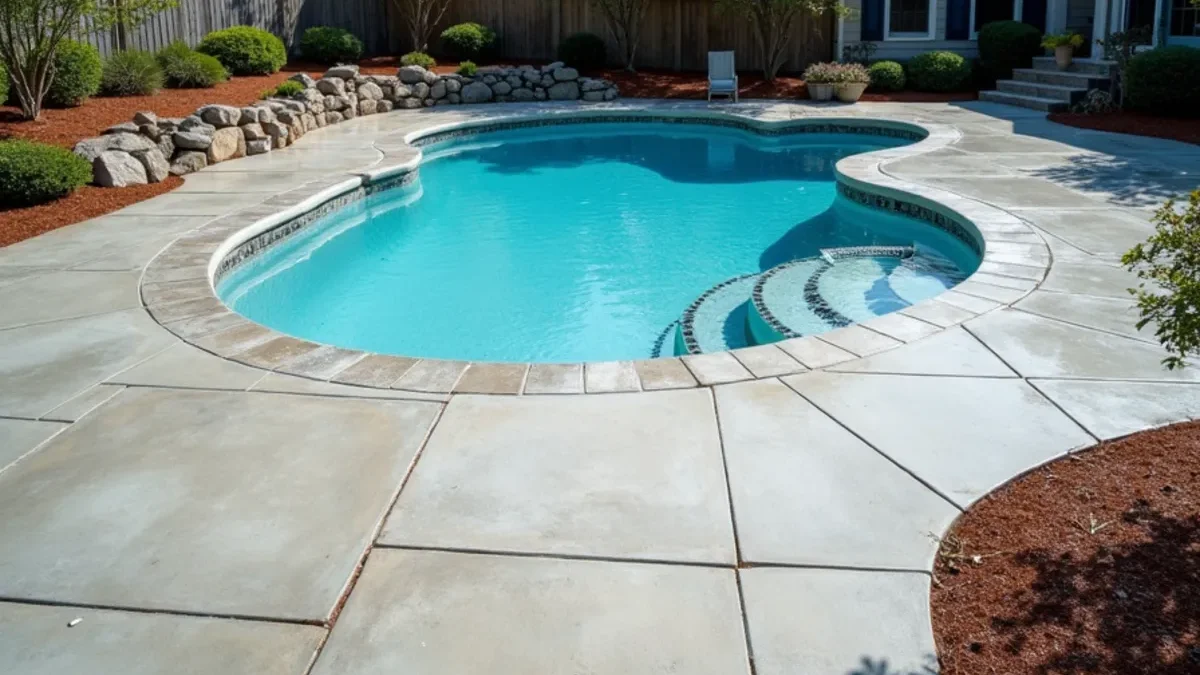
Concrete Washout & Void Repair in North Augusta, SC
Emergency void filling, subgrade soil consolidation, and erosion containment beneath undermined driveways, pool decks, retaining walls, and building slabs.
Request a Free On-Site Estimate
Callback within 1 business hour · On-site inspection within 48 hours
Concrete Washout & Subgrade Void Repair in North Augusta, SC
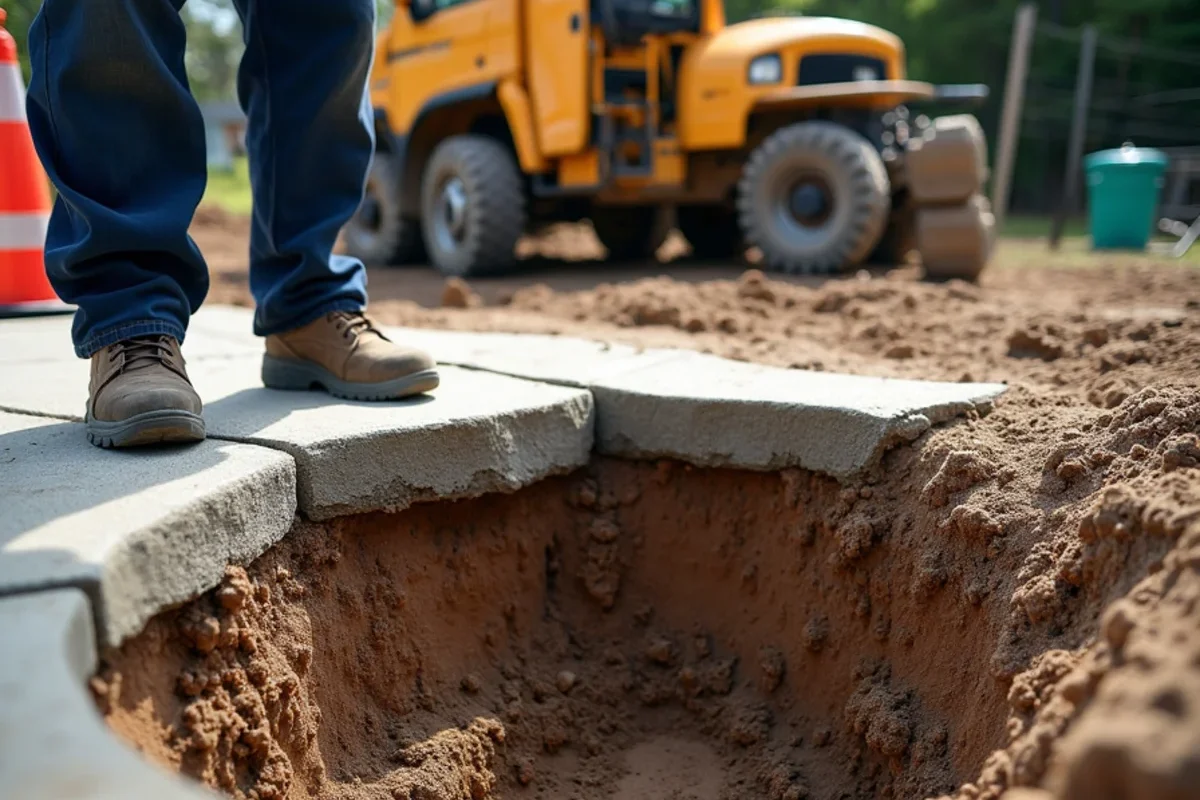
When you tap your driveway or garage floor and hear a hollow, drum-like echo, or when you notice a gaping dark cavity forming beneath your concrete edge after a heavy rainstorm, you are looking at an active subgrade washout. In North Augusta, Clearwater, Aiken, and the Savannah River Valley, intense subtropical downpours and concentrated roof runoff easily erode loose Sandhills sand and uncompacted backfill. As underground soils wash away into yard swales or creeks, heavy concrete slabs are left suspended in mid-air with zero structural support.
At FPC Construction, we specialize in deep subsurface void filling, soil stabilization, and edge erosion containment. Operating from our North Augusta hub, our licensed crews deploy specialized geotechnical equipment to inspect underground cavities, inject high-density expanding structural polymers or flowable cementitious grouts, and permanently consolidate the subbase. We eliminate hollow cavities beneath driveways, pool decks, retaining walls, and garage slabs without destructive concrete demolition, backing our repairs with engineered drainage improvements that prevent future washouts.
What Our Void Remediation Scope Covers
Under-slab void repair requires deep geotechnical diagnostics and pressure-injection technology:
The Mechanics of Sandhills Washouts: Why Aiken Soils Erode
The Central Savannah River Area features a unique Fall Line geology dominated by fine quartz sand and unconsolidated silts. While sandy soils allow rapid surface infiltration, they possess virtually zero cohesive bonding strength when saturated. During severe thunderstorms or hurricanes, concentrated runoff from roof valleys or uncontained driveway sheet flow acts like a pressure washer along slab perimeters.
Water rapidly carves microscopic channels that expand into cavernous voids within minutes. Once a void reaches 2 to 3 feet in width, the concrete slab acts as an unsupported cantilever bridge. The moment a family vehicle rolls across that section, the slab snaps off in jagged structural fractures. Our deep pressure injection fills these caverns completely, transferring vehicle weight safely back into deep, stable load-bearing soil.
Injection Materials: Geotechnical Polyurethane vs. Flowable Grout
We select the optimal void fill material based on void volume, access logistics, and moisture conditions:
Why Property Owners Choose FPC Construction for Void Repairs
Stopping an active soil washout requires civil engineering expertise and heavy equipment capabilities:
Need Advice on South Carolina Subgrades or Drainage?
Speak directly with our project lead about slab thickness, soil stabilization, or emergency washout repair. Guaranteed 1-hour callback.
Common Signs You Need Concrete Washout & Void Repair
Our 6-Step Pour & Engineering Process
Subsurface Void Camera & Probe Inspection
We probe beneath slab edges to measure void depth, perimeter boundaries, and water intrusion vectors.
Erosion Source Diversion
We identify and temporarily divert downspout runoff, broken pipes, or stormwater paths causing the subgrade loss.
Soil Containment Formwork
We install geotextile barriers and edge forms along exposed slab perimeters to retain injected material.
High-Density Void Fill Injection
High-density flowable grout slurry or expanding geotechnical polymer is pumped under pressure to completely pack the cavity.
Subgrade Density Consolidation
The injection material bonds directly to the underside of the concrete, transferring vehicle load down to stable deep soil.
Surface Edge Armoring
We armor the exposed soil edge with crushed stone rip-rap, turf reinforcement mats, or concrete retaining curbs.
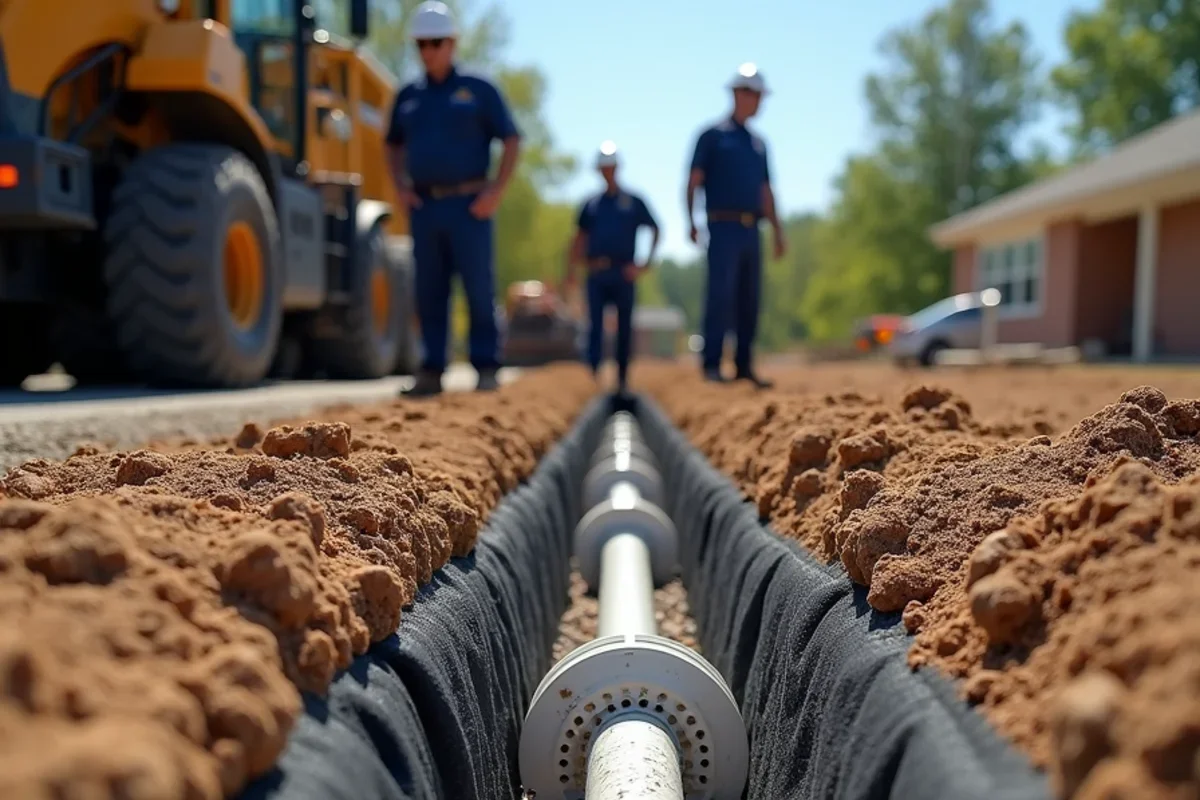
Engineering Execution in the Field


Key Pricing Factors for Concrete Washout & Void Repair
Every property has distinct access constraints, elevation grades, and subsoil compositions. Our quotes are 100% itemized so you know exactly what is included:
- ✓Volume of subsurface void space (calculated in cubic feet or gallons of specialized fill material)
- ✓Underlying void cause (broken roof downspout drainage vs subsurface pipe leak vs slope runoff)
- ✓Material selection (pressure flowable cementitious grout slurry vs expanding structural polymer)
- ✓Erosion barrier installation (rip-rap stone, retaining swales, or buried footer curbs)
- ✓Structural condition of the suspended concrete slab
Frequently Asked Questions: Concrete Washout & Void Repair
Common questions regarding concrete washout & void repair across South Carolina and Aiken County.
Speak Directly With an Estimator
Call our North Augusta dispatch office to schedule your free on-site engineering assessment.
(803) 640-2595Related Concrete Services
Get Your Free On-Site Quote for Concrete Washout & Void Repair
Poured with 4,000 PSI ready-mix, compacted stone aggregate, and tied steel rebar. Written quote in 24 hours.