SC Licensed & Insured
North Augusta, SC & Aiken County(803) 640-2595
Concrete engineering blueprints, slump cone testing apparatus, and soil density gauge on a wooden planning desk
Contractor Guides & Geotechnical Insights

South Carolina Concrete Resources

Explore 20 comprehensive engineering articles, 2026 cost guides, soil comparison analyses, permit requirements, and post-storm restoration checklists.

Tree Fell on Your Driveway? What to Do Before Concrete Repair
A — Emergency
6 min readMarch 2026

Tree Fell on Your Driveway? What to Do Before Concrete Repair

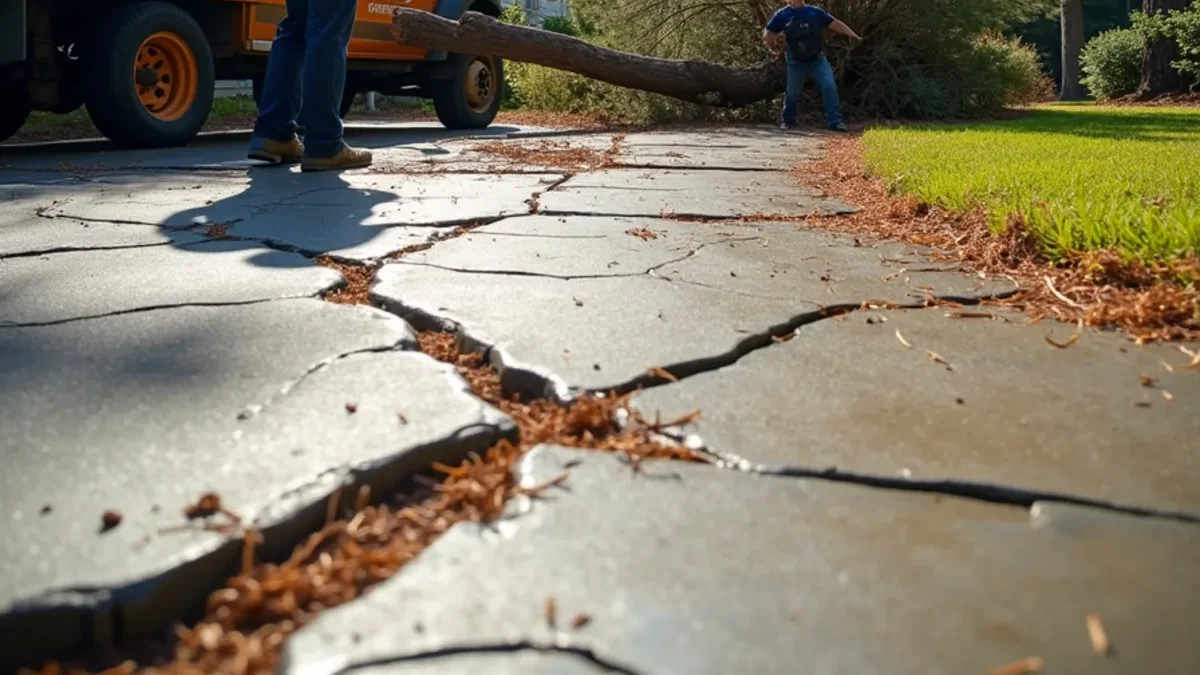
When a fallen tree damages your concrete driveway, immediately photograph the impact points and root upheaval before tree removal crews arrive. Contact your insurer under Coverage B (Other Structures), and hire a licensed concrete contractor to saw-cut shattered panels, backfill root craters with compacted stone, and repour with reinforced 4,000 PSI ready-mix.
Read Full Guide
Sunken Steps or a Slab Trip Hazard: What to Do This Week
A — Emergency
6 min readMarch 2026

Sunken Steps or a Slab Trip Hazard: What to Do This Week

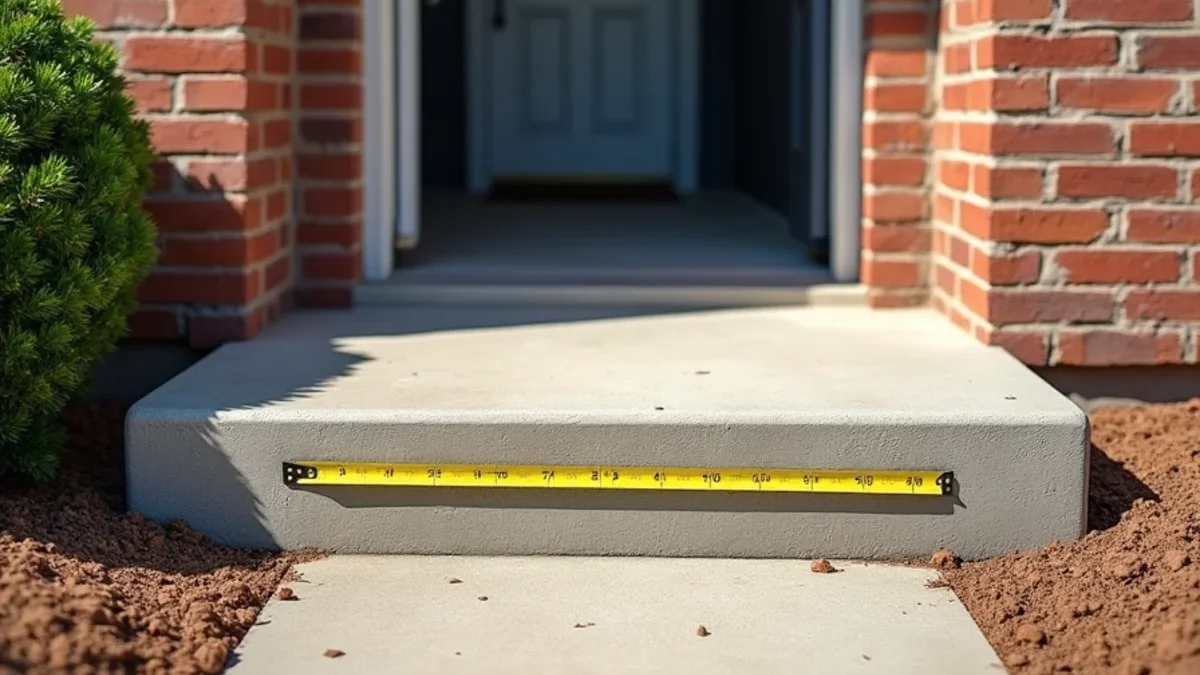
Sunken concrete steps create severe liability risks and indicate subgrade settlement or water washout beneath your porch landing. Small offsets under 1/2 inch can be diamond-shaved; sinking slabs with stable subbases can be polyurethane foam leveled; severely detached or fractured steps require full demolition, subgrade stone compaction, and an engineered monolithic repour.

Read Full Guide
Water Washing Out Under Your Slab? Emergency Steps to Take
A — Emergency
6 min readMarch 2026

Water Washing Out Under Your Slab? Emergency Steps to Take

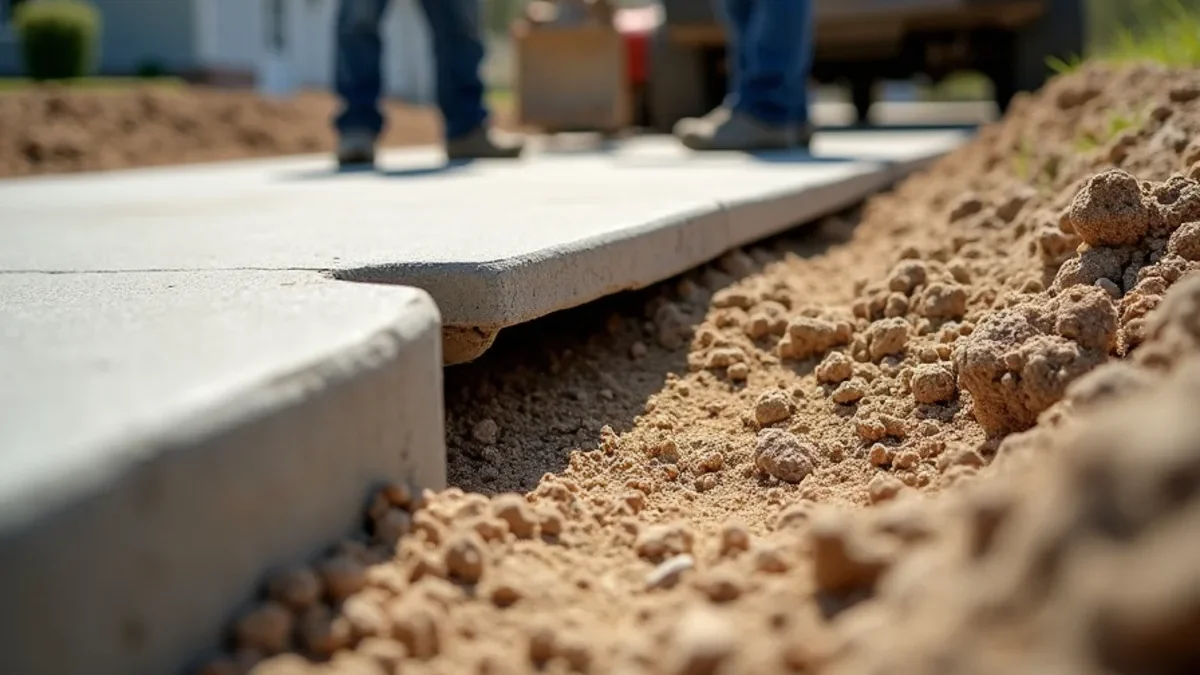
Water washing out soil beneath a concrete slab creates hollow cavities that cause cantilever structural cracking. Immediately redirect surface downspouts away from the slab edge, evaluate void depth with non-destructive sounding, backfill cavities with compacted stone or flowable grout, and install laser-graded perimeter concrete swales to permanently divert storm runoff.

Read Full Guide
Concrete Driveway Cost in South Carolina: 2026 Price Guide
B — Cost & Insurance
6 min readMarch 2026

Concrete Driveway Cost in South Carolina: 2026 Price Guide

In 2026, a professionally poured concrete driveway in South Carolina costs between $6.00 and $12.00 per square foot for standard broom-finished flatwork, with full replacement averaging $8.50 to $14.00 per sq ft including demolition. A standard two-car 600-square-foot driveway typically ranges from $4,800 to $7,500 depending on subgrade grading, aggregate base depth, and rebar reinforcement.

Read Full Guide
Concrete Patio Cost in North Augusta and Aiken County
B — Cost & Insurance
6 min readMarch 2026

Concrete Patio Cost in North Augusta and Aiken County

In 2026, a concrete patio in North Augusta and Aiken County costs between $6.00 and $9.50 per square foot for standard broom-finished flatwork and $12.00 to $18.50 per sq ft for custom stamped and decorative designs. A typical 12x16-foot residential patio ranges from $1,400 to $2,400 for broom finish, and $2,800 to $4,500 for decorative stamped slate or ashlar patterns.

Read Full Guide
Does Homeowners Insurance Cover a Driveway Cracked by a Storm?
B — Cost & Insurance
6 min readMarch 2026

Does Homeowners Insurance Cover a Driveway Cracked by a Storm?

Homeowners insurance in South Carolina covers concrete driveway damage under Coverage B (Other Structures) when caused by sudden storm perils such as falling trees, lightning, or hurricane debris. However, claims are typically denied if insurers attribute the cracking to long-term soil settlement, erosion, or poor subgrade compaction without an itemized contractor causal report.

Read Full Guide
Repair or Replace? What a Cracked Concrete Driveway Really Costs
B — Cost & Insurance
6 min readMarch 2026

Repair or Replace? What a Cracked Concrete Driveway Really Costs

Deciding whether to repair or replace a cracked concrete driveway depends on crack severity, subgrade stability, and overall damage percentage. Isolated cracks under 1/4 inch with a stable base can be saw-cut and sealed; driveways with webbed alligator cracking, sunken panels exceeding 1 inch, or damage covering over 30% of the surface require full demolition and an engineered 4,000 PSI replacement pour.

Read Full Guide
Stamped Concrete vs Pavers for South Carolina Patios
C — Core service
6 min readMarch 2026

Stamped Concrete vs Pavers for South Carolina Patios

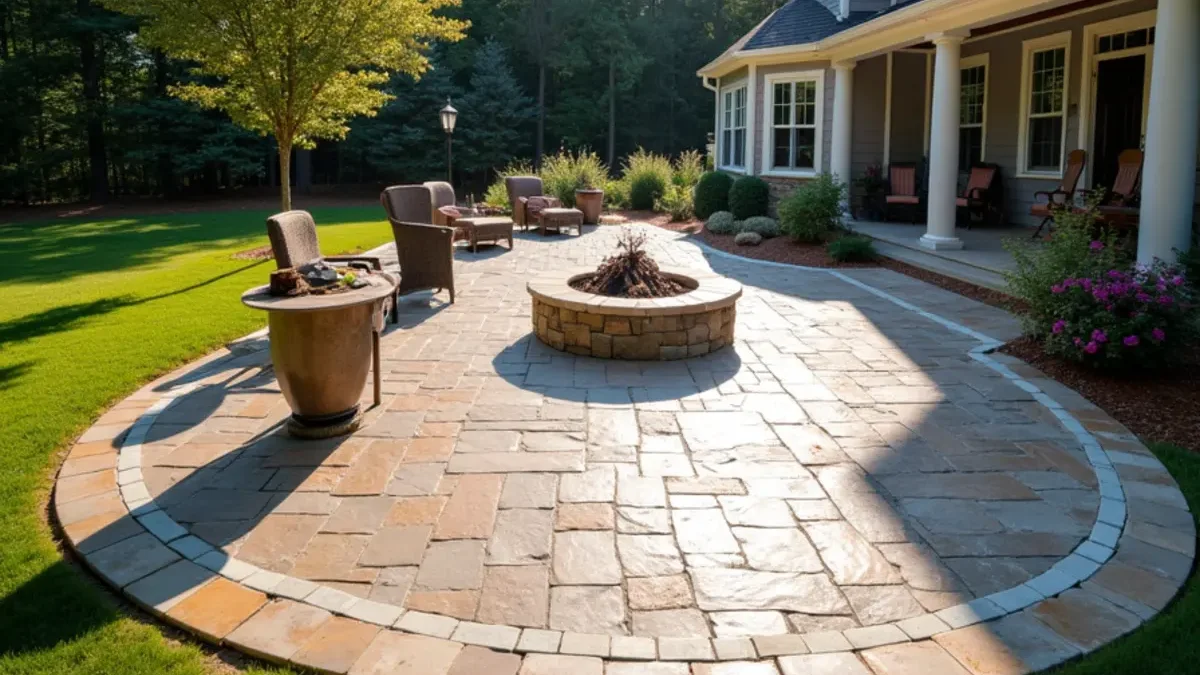
Choosing between stamped concrete and concrete pavers for a South Carolina patio comes down to cost, maintenance, and soil stability. Stamped concrete costs $12 to $18.50 per sq ft and provides a continuous, weed-free monolithic surface with zero shifting, whereas pavers cost $16 to $30 per sq ft and require regular polymeric sand replacement to prevent weed growth and settling in sandy soils.

Read Full Guide
How Thick Should a Shop or Garage Slab Be?
C — Core service
6 min readMarch 2026

How Thick Should a Shop or Garage Slab Be?

A concrete shop or garage slab in South Carolina should be 4 inches thick for standard passenger vehicles (up to 6,000 lbs), 5 to 6 inches thick for heavy three-quarter ton trucks, RVs, and two-post vehicle lifts, and 6 to 8 inches thick for commercial agricultural machinery and forklift loading. All slabs require a 4-inch compacted stone base, 4,000 PSI concrete, and tied #4 steel rebar.

Read Full Guide
Sidewalk Width, Slope and ADA Basics for Homes and HOAs
C — Core service
6 min readMarch 2026

Sidewalk Width, Slope and ADA Basics for Homes and HOAs

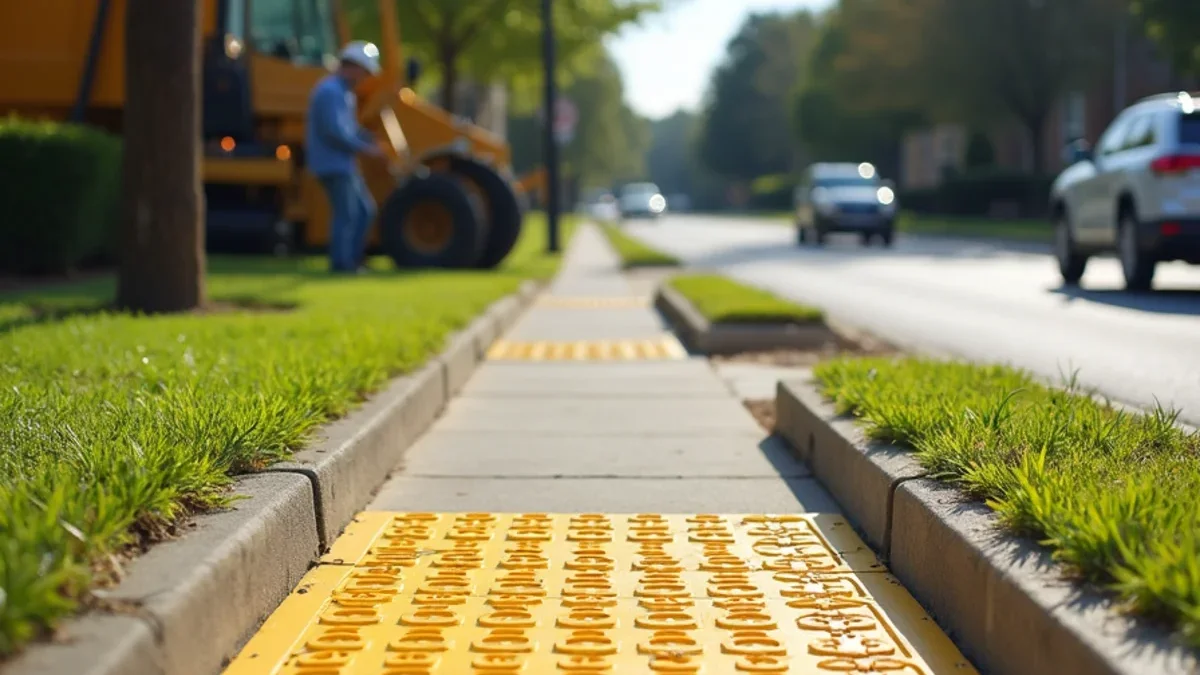
Commercial and HOA concrete sidewalks in South Carolina must comply with ADA Title III and local codes: minimum 36 to 60-inch clear width, maximum 1:50 (2%) cross slope, 1:20 (5%) running slope, and strict prohibition of vertical tripping offsets exceeding 1/4 inch. Non-compliant offsets between 1/4 and 1/2 inch must be beveled, while larger displacements require full panel replacement.

Read Full Guide
Why Retaining Walls Fail on Sloped South Carolina Lots
C — Core service
6 min readMarch 2026

Why Retaining Walls Fail on Sloped South Carolina Lots

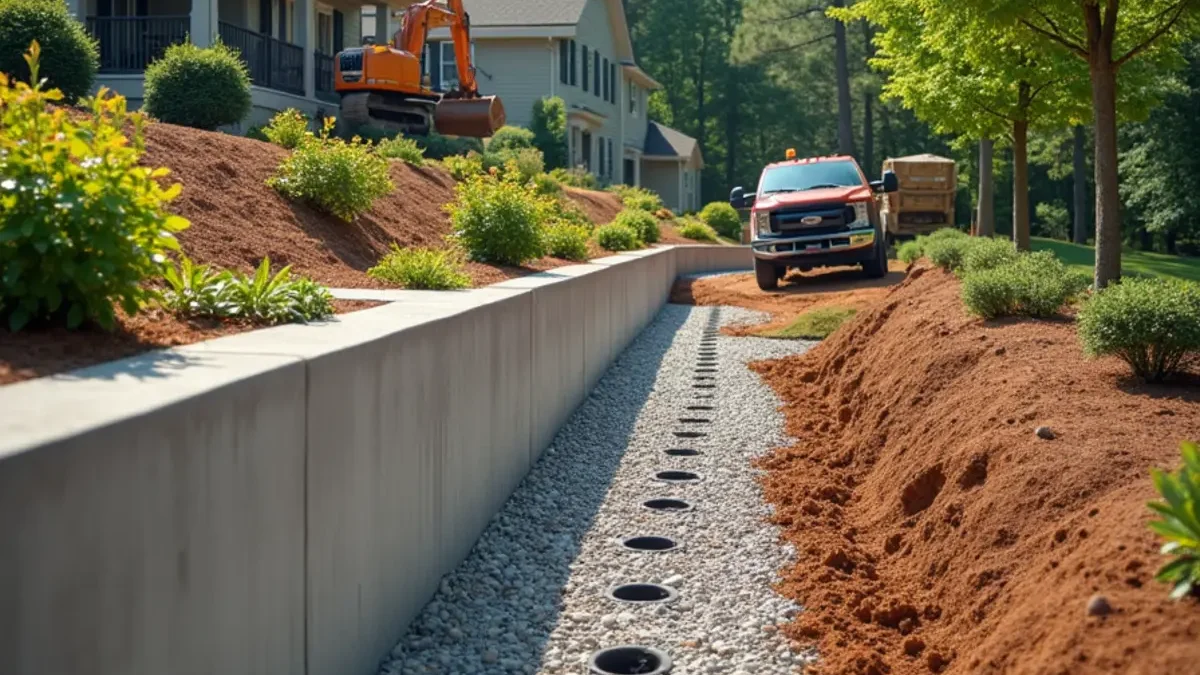
Retaining walls on sloped South Carolina properties fail almost exclusively due to unmanaged hydrostatic water pressure, not inadequate concrete mass. Every retaining wall exceeding 3 feet must incorporate a continuous #57 washed stone drainage chimney, non-woven geotextile filter fabric, perforated PVC collection pipes, and weep holes spaced every 6 to 8 feet to relieve trapped water.

Read Full Guide
What Is Land Grading? Site Prep Before a Concrete Pour
C — Core service
6 min readMarch 2026

What Is Land Grading? Site Prep Before a Concrete Pour

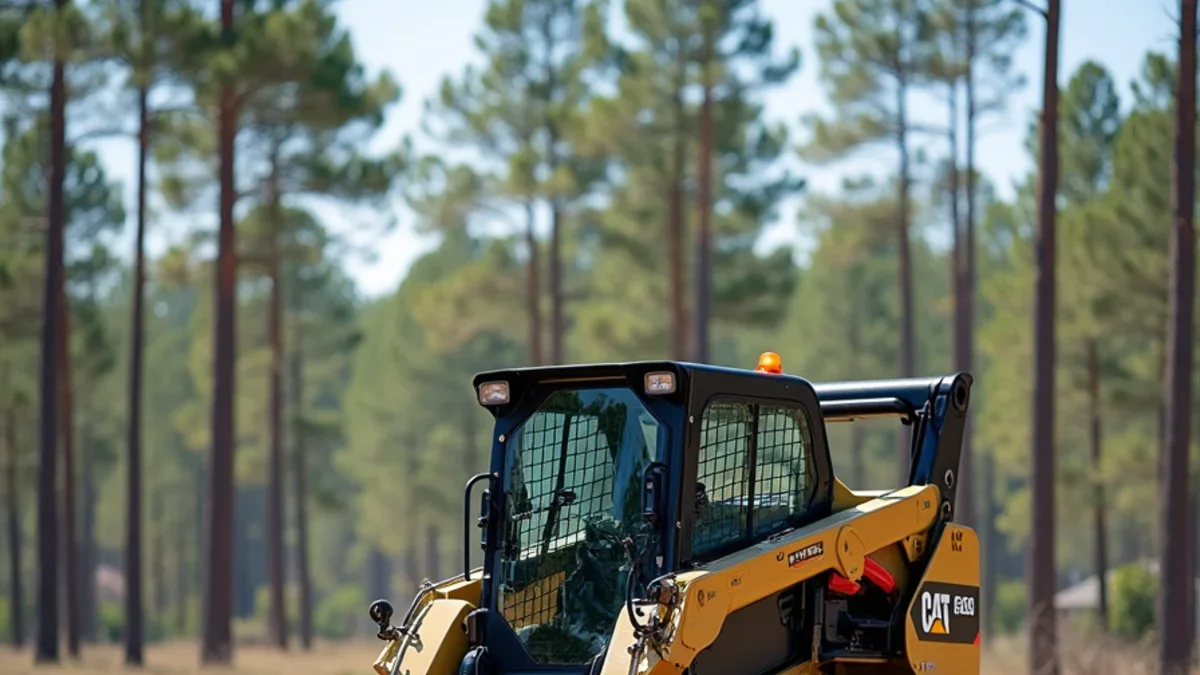
Land grading is the precision engineering process of stripping topsoil, reshaping terrain, and mechanically compacting subgrade soils to establish uniform load bearing and laser-calibrated drainage slopes. Proper site preparation prevents cracked driveways, foundation washouts, and standing water, saving thousands of dollars over the lifecycle of your concrete installation.

Read Full Guide
Building on Aiken County Sand: How Sandhills Soil Affects Concrete
D — Local
6 min readMarch 2026

Building on Aiken County Sand: How Sandhills Soil Affects Concrete

Aiken County's Sandhills geology consists of deep, cohesionless quartz sand over kaolin clay lenses, creating rapid drainage alongside severe subgrade washout vulnerability. Concrete poured here must feature complete organic stripping, a minimum 4-inch compacted aggregate base (crusher run), tied #4 rebar elevated on chairs, and laser-calibrated drainage slopes.

Read Full Guide
After Helene: Protecting Aiken County Driveways From Runoff
D — Local
6 min readMarch 2026

After Helene: Protecting Aiken County Driveways From Runoff

Hurricane Helene (September 2024) exposed severe vulnerabilities in Aiken County driveways, causing catastrophic edge washouts, root upheaval, and culvert collapses. Restoring storm-damaged flatwork requires excavating organic debris, backfilling root craters with compacted stone aggregate, doweling into sound panels with #4 rebar, and armor-grading swales to prevent future erosion.

Read Full Guide
Red Clay vs Sand: How SC Soils Change the Way We Pour
D — Local
6 min readMarch 2026

Red Clay vs Sand: How SC Soils Change the Way We Pour

Pouring concrete in South Carolina requires radically different engineering for Piedmont expansive red clay versus Coastal Plain Sandhills sand. Red clay demands deep excavation, aggregate cushions, and tight control joints to absorb seasonal shrink-swell cycles, while loose Sandhills sand requires mechanical compaction and thickened edges to stop lateral washouts.

Read Full Guide
Permits for Driveways and Slabs in North Augusta, Aiken and Edgefield County
D — Local
6 min readMarch 2026

Permits for Driveways and Slabs in North Augusta, Aiken and Edgefield County

Concrete permitting in North Augusta, Aiken, and Edgefield County depends on project location, public right-of-way transitions, and structural load bearing. While private backyard patios rarely need permits, driveway aprons connecting to state highways require mandatory SCDOT encroachment permits, commercial slabs require municipal zoning approval, and retaining walls over 4 feet mandate PE stamped structural drawings.

Read Full Guide
Concrete Care Checklist for South Carolina Heat and Humidity
E — Prevention
6 min readMarch 2026

Concrete Care Checklist for South Carolina Heat and Humidity

Maintaining concrete in South Carolina's hot, humid climate requires seasonal care to prevent organic biological staining, micro-crack expansion, and subgrade washout. An effective maintenance regimen includes annual pressure washing under 3,000 PSI, applying breathable penetrating silane-siloxane sealers every 3 to 5 years, routing and sealing contraction joints, and diverting downspout runoff.

Read Full Guide
Sealing Concrete in South Carolina: When and How Often
E — Prevention
6 min readMarch 2026

Sealing Concrete in South Carolina: When and How Often

Sealing concrete in South Carolina shields flatwork against intense UV solar degradation, biological mold and algae growth, and stormwater subgrade infiltration. Standard broom-finish driveways should be sealed with penetrating silane-siloxane sealers every 3 to 5 years, while decorative stamped patios require UV-resistant acrylic sealers every 2 to 3 years.

Read Full Guide
Commercial Sidewalk and Parking Repair Checklist for SC Property Managers
F — Commercial
6 min readMarch 2026

Commercial Sidewalk and Parking Repair Checklist for SC Property Managers

Commercial property managers in South Carolina face substantial premises liability risks from broken sidewalks, cracked parking aprons, and settling dumpster pads. Managing concrete assets requires quarterly ADA Title III inspections, tracking vertical trip offsets exceeding 1/4 inch, saw-cutting failed panels along joint lines, and installing rebar-doweled 4,500 PSI commercial flatwork.

Read Full Guide
Dumpster Pads, Loading Aprons and Ag Slabs: Specs for SC Businesses and Farms
F — Commercial
6 min readMarch 2026

Dumpster Pads, Loading Aprons and Ag Slabs: Specs for SC Businesses and Farms

Commercial dumpster pads, loading dock aprons, and agricultural equipment slabs in South Carolina must be engineered to withstand 50,000 to 80,000-pound axle loads. Standard engineering specifications require 6 to 8-inch slab thickness, minimum 4,500 PSI low water-cement ready-mix, tied Grade 60 #4 or #5 rebar grids on chairs, a 6 to 8-inch compacted stone base, and heavy-duty steel curb bumpers.

Read Full Guide
North Augusta, Aiken County & Midlands Dispatch

Ready to Schedule Your Concrete Project?

Get a prompt callback within 1 business hour, an on-site engineering assessment within 48 hours, and a transparent written quote.

Licensed & Insured South Carolina ContractorWritten Itemized Quote in 24 Hours
Tap to Call (803) 640-2595
1-Hr Callback Guarantee · Free On-Site Quote